Choosing the right hamper is like picking the perfect outfit for a first date—too casual, and you risk being overlooked; too flashy, and you might feel out of place. For businesses, a hamper is more than a container; it’s a tangible extension of your brand’s personality. In this guide, we’ll walk through the steps to select a hamper that not only looks good but also echoes your brand image, keeps your customers smiling, and leaves a lasting impression.
Understanding Brand Image and Hamper Design
What Makes a Brand Image?
A brand image is the visual, emotional, wine hampers and experiential snapshot people hold in their minds when they think of your company. It’s the sum of logos, colors, tone of voice, and the vibe that your products or services radiate. Think of it as the aroma of a favorite perfume—subtle yet unmistakable.
How Hamper Design Reflects Brand
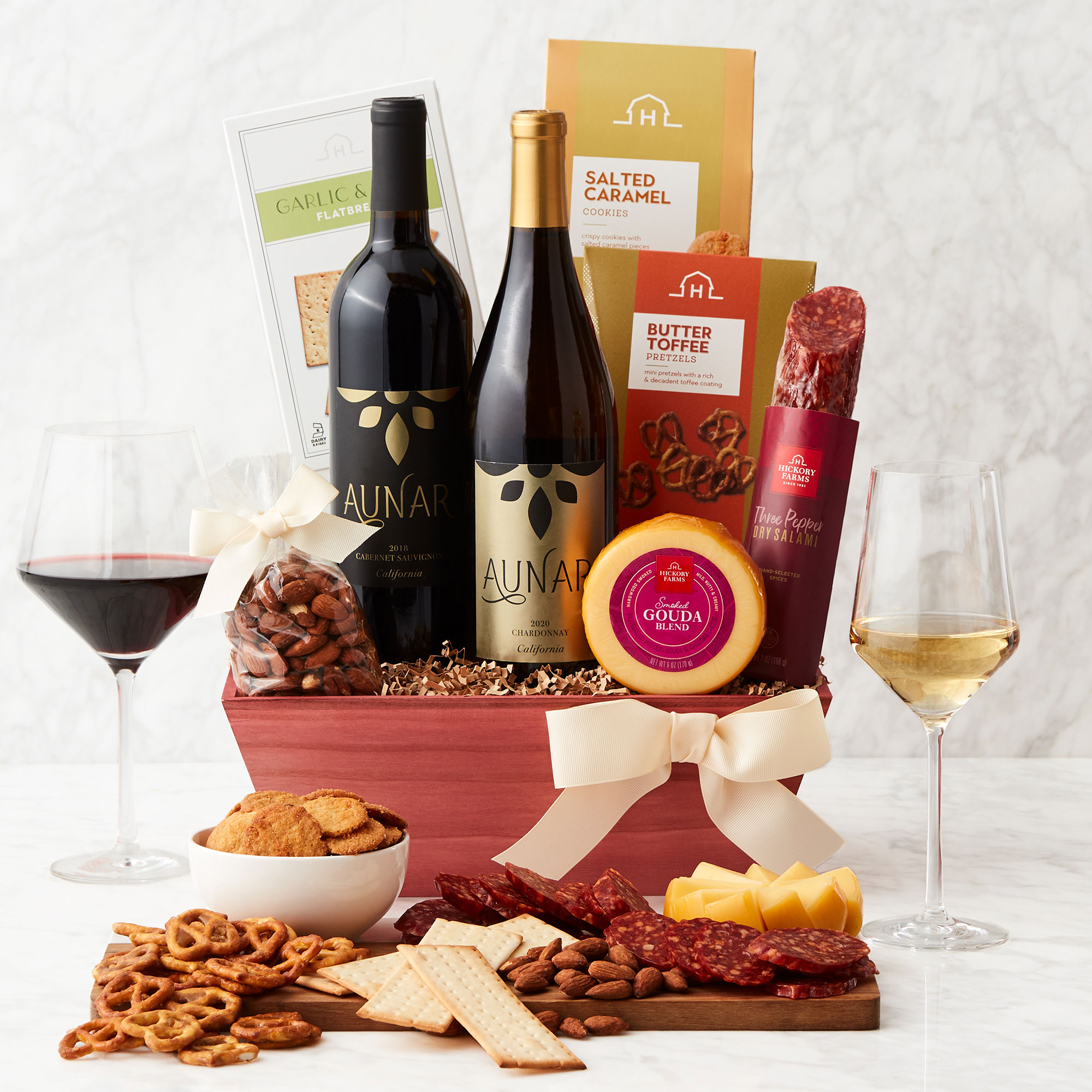
A hamper can be a powerful canvas. Its shape, color, and texture can reinforce your brand’s story. Imagine a minimalist tech startup: a sleek, matte-black hamper with a clean logo will feel in sync. Conversely, a boutique organic tea shop might favor a woven basket with earthy tones and a hand‑stitched label. The key is coherence—every element should feel like a natural extension of your brand identity.

Key Factors in Choosing a Matching Hamper
Color Harmony
Color is the first language your hamper speaks. Match it with your brand palette, but don’t be afraid to use a complementary shade to create visual interest.
- Primary brand color: Use for the hamper’s main body. Accent color: Apply to ribbons, tags, or lining. Neutral backdrop: Keeps the focus on the contents.
Material and Texture
Texture tells a story without words. A luxury brand might opt for a polished leather finish, while an eco‑friendly line could choose recycled kraft paper.
- Durability: Reflects quality and longevity. Sustainability: Aligns with growing consumer eco‑awareness. Feel: Influences the tactile experience customers get when opening the hamper.
Packaging and Presentation
The way a hamper is packaged can elevate or diminish the brand experience.
- Custom labels: A subtle embossing can add a premium feel. Ribbon or twine: Choose materials that match the brand’s ethos (e.g., silk for luxury, jute for rustic). Unboxing experience: A simple, elegant opening can turn a mundane act into a memorable moment.
Size and Functionality
Size matters—both literally and figuratively. A hamper that feels too small may seem rushed, while an oversized one might appear extravagant. Consider the contents:
- Product volume: Ensure the hamper can comfortably hold the items without crushing them. Portability: If customers need to transport it, a lighter design is preferable. Reusability: A hamper that doubles as storage can become a lasting brand reminder.
Practical Steps to Select the Right Hamper
Audit Your Brand Assets
Start by cataloguing your brand’s visual assets: logos, color codes, typography, and existing packaging. This audit provides a reference point for all subsequent decisions.
Test with Sample Hamper
Create a prototype using a few different hamper styles.
- Visual inspection: Does it align with the brand’s color scheme? Physical feel: Does the texture resonate with your brand’s personality? Content fit: Does the hamper accommodate your product lineup comfortably?
Gather Feedback
Ask a small group of trusted customers or team members to review the prototype.
- Questions to ask: “Does this hamper feel like it belongs to our brand?” “What emotions does it evoke?” “Would you be excited to open it?” Collect data: Use a simple survey or informal interviews to capture honest opinions.
Common Pitfalls and How to Avoid Them
Overcomplicating the Design
A cluttered hamper can dilute your brand message. Stick to a clean, focused design that highlights key elements. Remember the adage: “Less is more.”
Ignoring Target Audience
A hamper that appeals to one demographic might alienate another. Consider age, lifestyle, and preferences. For example, a playful, colorful hamper may resonate with younger customers, whereas a sophisticated, muted design might appeal to a more mature audience.
Neglecting Sustainability
Today’s consumers value eco‑friendly choices. Opt for recyclable or biodegradable materials whenever possible. This not only protects the planet but also reinforces a responsible brand image.
The Perfect Gift Awaits
Picture this: a customer receives a hamper that feels like a warm hug, complete with your brand’s subtle signature. They open it, and the contents—carefully curated, neatly arranged—immediately convey quality and thoughtfulness. That is the power of a well‑chosen hamper. It becomes a silent ambassador, walking the streets, standing on desks, or being passed along in handshakes.
As Maya Angelou once said, “People will forget what you said, people will forget what you did, but people will never forget how you made them feel.” Your hamper should make them feel valued, delighted, and connected to your brand.
So, the next time you’re planning a gift, a promotional item, or a seasonal surprise, remember: the right hamper isn’t just a container—it’s a conversation starter, a brand statement, and a small piece of art that carries your story forward.
Take the time to align color, material, and packaging with your brand image, test prototypes, gather honest feedback, and avoid common missteps. Your customers will thank you, and your brand will shine brighter than ever.